Beaver Footprint 3D SVG for Shadow Boxes
As a graphic designer who spends half my life tweaking kerning and the other half prepping files for production, I have developed a healthy skepticism toward digital assets. We all know the struggle: downloading a "premium" bundle only to find messy anchor points, non-expandable strokes, or layers that refuse to separate cleanly. So, when I pulled the Beaver Footprint 3D Layered Papercut SVG into my workspace for a recent client project, I approached it with a critical eye. The brief was specific: a rustic, nature-inspired branding package for a boutique outdoor lodge that wanted to elevate their gift shop offerings with high-end, handmade decor. They needed something that felt organic yet precise, whimsical but not childish. This asset had to carry weight.
First Impressions and Visual Mood
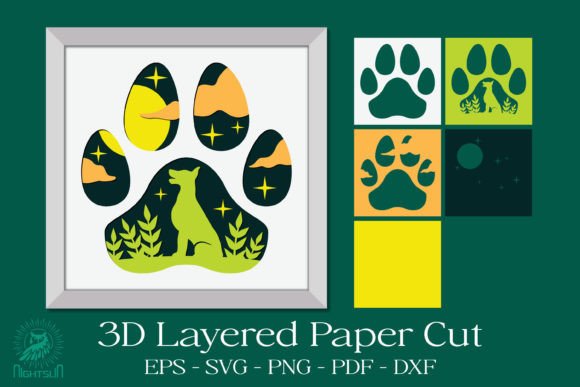
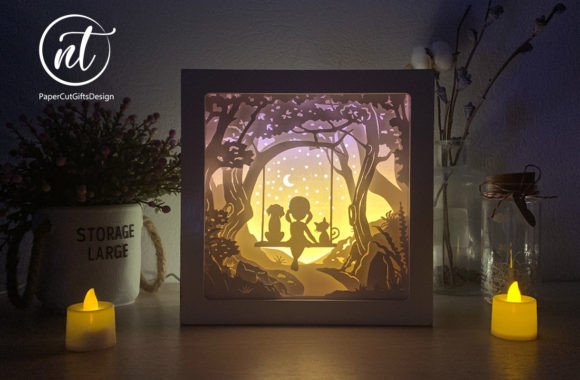
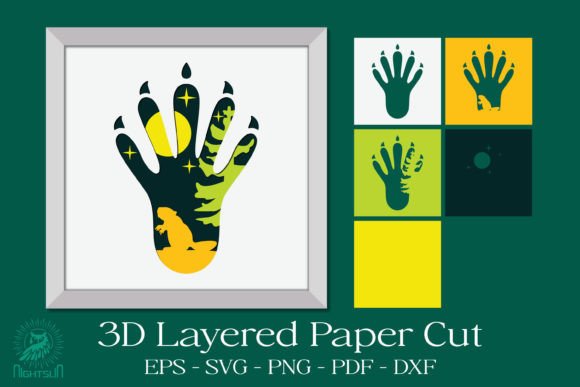
The immediate appeal of this design lies in its structural integrity. Unlike flat clipart that requires you to manually create depth through drop shadows in Photoshop, this 3D SVG is engineered for physical layering. The visual mood is distinctly tactile. It evokes the warmth of handcrafted paper art, where light and shadow play across multiple planes to create a sense of movement. For a brand identity rooted in nature, this texture is invaluable. It does not scream for attention; rather, it invites the viewer to look closer. The silhouette of the beaver footprint is recognizable and charming, serving as a perfect anchor for a woodland theme without resorting to cliché cartoonish illustrations. It feels modern, clean, and sophisticated enough for a high-end retail environment.
Performance in Real Client Projects
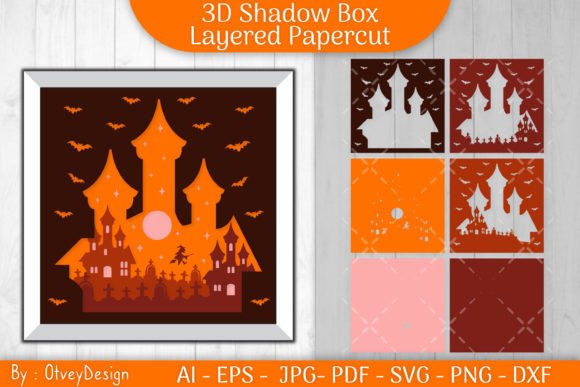
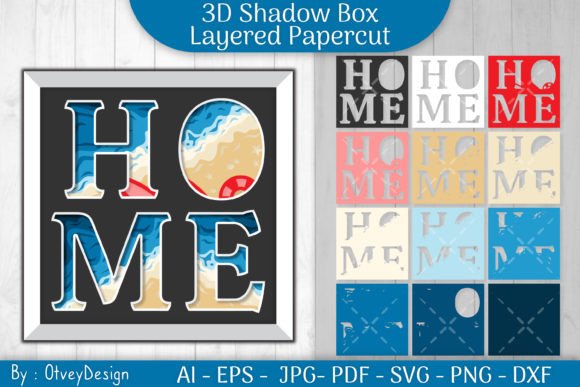
In practical application, versatility is the metric by which I judge any graphic design asset. I tested this file across several mediums to see if it could hold up under the demands of a full-scale brand rollout. For Shadow Boxes, which was the primary deliverable for this client, the layered structure was flawless. Each tier separated cleanly, allowing for precise cutting on standard vinyl cutters and laser machines. The spacing between layers was calculated correctly to accommodate standard foam tape thicknesses, ensuring the final 3D effect popped without looking cluttered.
Beyond physical crafts, I explored its potential in digital product creation. The high-quality PNG included in the package featured crisp transparency, making it ideal for social media graphics and web design elements. I dropped it onto a textured background for an Instagram post promoting the lodge’s winter retreat, and the contrast held up beautifully. It also worked surprisingly well as a subtle watermark or background element in editorial design layouts for their seasonal brochure. When scaled down for stickers or product labels, the details remained distinct, proving that the vector paths were optimized and not overly complex.
Strategic Placement and Visual Hierarchy
Understanding where to place this asset is crucial for maintaining visual hierarchy. Because the Beaver Footprint 3D Layered Papercut SVG has inherent depth and detail, it performs best as a hero graphic or a focal point. It shines in large layout areas, such as the front of a packaging design box, a poster header, or a standalone piece of printable wall art. In these contexts, it drives audience engagement by adding a layer of sophistication that flat icons simply cannot achieve.
However, designers must exercise caution. This is not an asset to be buried in a crowded footer or used as a tiny bullet point. In small sizes, the intricate layering can lose its definition, turning into a muddy shape. It should also be avoided in minimalist corporate materials where clean, sans-serif typography and negative space are the priority. Using this in a low-contrast environment or against a busy, patterned background will diminish its impact. The strength of this illustration is its dimensionality; if you flatten it visually through poor placement, you waste its potential.
Technical Review and File Formats
From a technical standpoint, the file delivery was comprehensive. As a professional, I need options, and this design bundle delivered. The inclusion of SVG for cutting was essential for our Cricut workflow, but having the AI CS6 and EPS files allowed me to open the source vectors in Illustrator for minor customizations. I adjusted the color palette to match the client’s earth-toned brand identity effortlessly. The DXF file is a nice touch for users working with older software or specific industrial cutters, while the PDF provided a quick preview option for client approvals without opening heavy design software.
I always recommend testing any new asset in black and white first. This helps verify that the shapes are distinct and the silhouette is strong. In this case, the footprint held its form perfectly, confirming that the design relies on shape rather than just color for recognition. I also checked the PNG design resolution at 300 DPI for print applications, ensuring it would look sharp on t-shirt designs and mugs for the lodge’s merchandise line. The edges were clean, with no pixelation or halos, which is often a telltale sign of a poorly converted vector-to-raster file.
Commercial Viability and Brand Consistency
For small business branding and Etsy product creators, the commercial license aspect is non-negotiable. This asset supports print-on-demand models and commercial design projects, making it a safe investment for freelancers and agency owners. It integrates seamlessly into Canva templates for clients who need to make minor edits themselves, bridging the gap between professional design and DIY usability. Whether you are creating a sublimation design for tote bags or a complex Cricut project for home decor, the file reliability saves hours of troubleshooting.
Ultimately, the Beaver Footprint 3D Layered Papercut SVG earns its place in my toolkit because it solves a specific problem: creating high-perceived-value physical products from digital files. It adds emotional appeal and professionalism to a project, helping small businesses compete with larger retailers through unique, handmade aesthetics. If you are working on a nature-themed campaign, a rustic wedding invitation suite, or a boutique retail display, this asset provides the polished, layered look that modern consumers crave. Just remember to respect its scale, honor its depth, and let it breathe in your layout. When used correctly, it is not just a clipart element; it is a cornerstone of a compelling brand identity.