Halloween Cat Lantern: A Designer’s Review
As an embroidery designer who has spent years digitizing motifs and testing them on everything from delicate baby onesies to heavy denim jackets, I approach every new machine embroidery design with a mix of curiosity and skepticism. We have all been there: you download a cute digital embroidery file, load it onto your machine, and halfway through the stitching, you realize the density is too high for the fabric or the details are lost in the thread pile. That is why I took a close, practical look at the Halloween Cat Lantern. This isn’t just about whether it looks good on a screen; it is about how it performs in the real world of craft businesses and handmade products.
First Impressions: Mood and Visual Personality
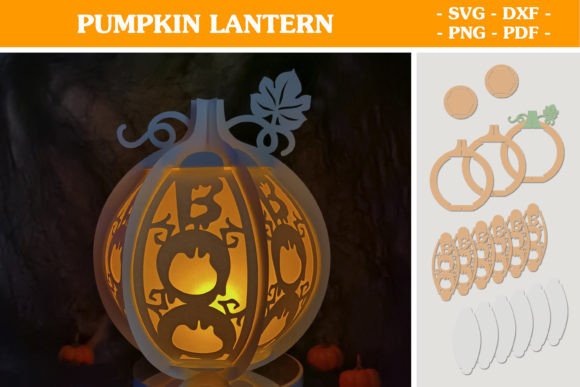
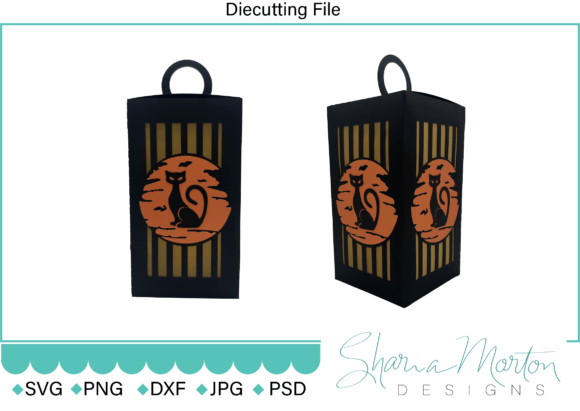
The first thing that strikes me about the Halloween Cat Lantern is its atmospheric charm. It does not rely on gore or overly aggressive spooky tropes. Instead, it captures that whimsical, cozy side of Halloween—the kind that feels right for a family-friendly holiday decoration or a boutique gift shop. The silhouette suggests a classic jack-o'-lantern vibe but with a feline twist, which instantly broadens its appeal beyond just hardcore horror fans. For an Etsy seller or a small shop product creator, this versatility is gold. You are not limiting your customer base to one niche; you are tapping into the broader autumn and Halloween market.
Visually, the design leans into bold shapes. In the context of Shapes and 3D SVG categories, this implies a strong structural foundation. When translating this into an embroidery project, bold shapes usually mean better stitch coverage and fewer issues with fabric puckering, provided the digitization respects the balance between fill and background. The layout feels centered and balanced, which is crucial when you are working with limited hoop space or trying to place the motif on curved surfaces like caps.
Real-World Application: From Mockup to Finished Product
Let’s talk about where this design actually shines. I recently worked on a batch of custom tote bags for a local farmer’s market vendor who wanted seasonal items that wouldn’t look dated by November 1st. The Halloween Cat Lantern would have been perfect for this. Why? Because it works beautifully as a central focal point on a tote bag design. The sturdy canvas of a tote bag can handle a moderate stitch density, allowing the fill stitch areas to pop without sinking into the weave.
Beyond totes, imagine this on a crewneck sweatshirt. Sweatshirt embroidery requires careful handling of stabilizers, but the bold lines of this cat lantern would stand out sharply against heather grey or deep orange fleece. It creates a personalized gift that feels thoughtful rather than mass-produced. For baby embroidery, such as a Halloween-themed onesie or a nursery pillow cover, the design’s playful nature fits well. However, I would recommend scaling it down slightly and ensuring the thread colors are soft and non-toxic certified if intended for infants.
For those running a craft business, this design also translates well to embroidered patches. Patches are trending, and a self-contained shape like this lantern cat is ideal for merrowed edges or simple satin stitch borders. It becomes a versatile design asset that can be sold as a standalone accessory or used to embellish denim jackets and backpacks.
Technical Considerations and Fabric Choices
While the aesthetic is strong, we must discuss the technical execution. Any experienced designer knows that a machine embroidery design is only as good as its interaction with the fabric. Here is where you need to be observant.
- Fabric Texture: On textured fabrics like terry cloth or heavy linen, fine details can get lost. The Halloween Cat Lantern appears to rely on clear silhouettes, which is good, but always test on your specific material. If the design includes tiny internal details, they might merge on high-pile fabrics.
- Stabilizer Selection: For stretchy fabrics like t-shirts or jersey knits, a cut-away stabilizer is non-negotiable. The weight of the stitches in a lantern shape could cause distortion if the fabric is not properly supported. For woven fabrics like cotton twill or apron materials, a tear-away might suffice, but I always prefer playing it safe with a light cut-away for durability.
- Thread Contrast: This design likely relies on contrast to define the "lantern" glow effect. When stitching on dark fabric, ensure your thread colors are vibrant enough. A dull orange on black navy might look muddy. Test your thread colors on scrap fabric first. I often run a test in black and white mockups to check value contrast before committing to expensive rayon or polyester threads.
Where to Use Caution
Not every project is a green light. I would hesitate to use this specific design on very thin, silky fabrics without extensive backing and perhaps a water-soluble topping. The satin stitch elements, if present in the lantern's features, can pull on delicate weaves. Also, be mindful of hoop size. If you are trying to squeeze this into a 4x4 inch hoop for a small pocket design, check the dimensions carefully. Cramping a design leads to poor stitch quality and potential needle breaks.
Additionally, if you are planning commercial embroidery for items that will be washed frequently, such as kitchen towels or custom apparel, verify the stitch density. Overly dense fills can make the fabric stiff and uncomfortable. The goal is a finished product that feels as good as it looks.
Enhancing Brand Value and Customer Trust
From a business perspective, using a well-balanced design like the Halloween Cat Lantern contributes to brand consistency. It signals professionalism. Customers can spot a poorly digitized design from a mile away—jumping threads, uneven fills, and distorted shapes kill trust. A clean, crisp embroidery job elevates the perceived value of your handmade product. It turns a simple item into a keepsake.
When creating printable mockups for your online store, this design offers great visual appeal. It photographs well because of its distinct shape. Use these images to show scale and texture. Show the design on a variety of items—a pillow cover, a cap, a tea towel—to help buyers visualize the possibilities. This increases buyer engagement and reduces hesitation.
Practical Designer Notes for Implementation
Before you launch this into your production line or sell it as part of a holiday embroidery collection, take these steps:
- Test on Scrap: Never skip this. Stitch it out on the exact fabric and stabilizer combination you plan to use for the final product.
- Check Licensing: The product description mentions it is a kit for cutting, but if you are using this as an embroidery reference or if there is an accompanying embroidery file, confirm the license. Can you sell finished items? Can you sell the digital file? Always clarify this before engaging in commercial embroidery.
- Inspect Small Details: Zoom in on the digitized file. Are there unnecessary jump stitches? Is the underlay sufficient for the topstitching?
- Consider the Audience: Does this fit your brand? If you specialize in minimalist modern decor, this whimsical cat might be a stretch. If you do seasonal boutique items, it is a perfect fit.
In conclusion, the Halloween Cat Lantern is a promising candidate for your autumn lineup. It balances spooky fun with wearable elegance. By paying attention to fabric choice, stabilizer support, and thread contrast, you can turn this design into a standout personalized gift or a best-selling small shop product. Remember, the magic is not just in the design itself, but in how thoughtfully you execute it.