Halloween Box: A Designer’s Review for Embroidery Projects
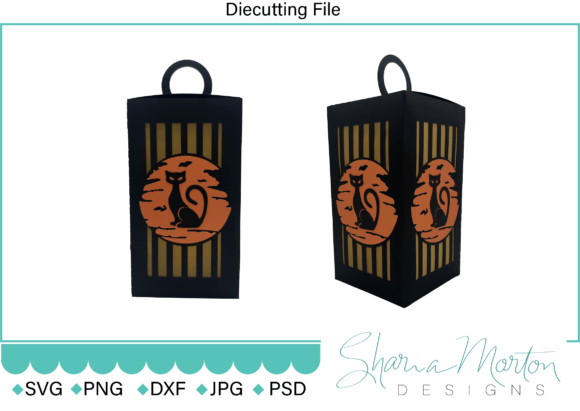
As an experienced designer who spends countless hours digitizing and testing files, I approach every new asset with a mix of curiosity and skepticism. We have all been there: you download a digital embroidery file that looks stunning in the preview thumbnail, only to find it puckers the fabric or loses its charm once stitched out. Today, I am taking a close look at Halloween Box, a design categorized under Shapes and offered as a 3D SVG. While my primary lens is embroidery, understanding the structural intent of a design labeled as a 3D cut file is crucial for adapting it into stitch work. Let’s dive into how this asset performs in real-world scenarios, from boutique shop displays to personalized holiday gifts.
First Impressions: Mood and Visual Personality
The first thing that strikes me about Halloween Box is its playful yet structured aesthetic. It does not rely on overly complex shading or chaotic details, which is often a blessing for embroidery. The mood it creates is whimsical and inviting, perfect for the autumn season without leaning too heavily into scary or grotesque themes. This makes it versatile. It feels like a design that belongs on a high-end handmade product rather than a mass-produced novelty item.
For embroidery designers, the "Shape" category suggests clean lines and defined boundaries. In a stitched context, this translates well to clarity. When I visualize this on a tote bag design or a crisp cotton apron, the bold outlines help the motif stand out. The visual personality is friendly, making it an excellent candidate for family-oriented projects or children’s items where approachability is key.
Real-World Application: From Digital File to Finished Product
To truly evaluate Halloween Box, I imagined a specific client project. A local boutique owner wanted a line of limited-edition sweatshirt embroidery pieces for October. She needed something that looked professional but could be produced quickly. Here is how I see this design fitting into that workflow.
If we adapt the concept of the box into an applique design, the potential skyrockets. Instead of filling the entire shape with dense satin or fill stitches, which can make a garment stiff, you could use the outline as a guide for fabric applique. This reduces stitch density significantly, keeping the fabric texture soft and breathable. For a baby embroidery project, such as a onesie or a nursery wall hanging, this approach is vital. Parents want cute designs, but they do not want scratchy, heavy stitching against sensitive skin.
Consider also its use on accessories. A small version of this design could work beautifully as an embroidered patch. Patches are trending among Etsy sellers and craft business owners because they allow customers to customize their own jackets or bags. If you stitch Halloween Box onto twill or felt, the structural integrity of the shape holds up well, provided you use a sturdy stabilizer.
Navigating Technical Challenges and Fabric Choices
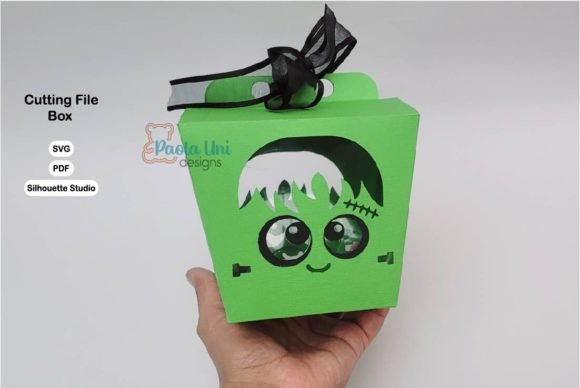
While the design is appealing, we must discuss where caution is needed. The product description mentions it is a 3D SVG intended for cutting machines like Cricut or Cameo, using 80 lb cardstock. This tells me the original intent is structural paper craft. Translating this to embroidery requires smart adjustments.
Hoop size is your first constraint. If you attempt to stitch this on a curved surface like a cap, you must ensure the design fits within the flat area of the cap hoop. Detailed corners in box-like shapes can sometimes cause thread breaks if the digitizing does not account for sharp turns. I always recommend testing the design on scrap fabric first. Check how the machine handles the corners. If you see pulling or distortion, you may need to add underlay stitches or simplify the pathing.
Fabric choice matters immensely. On thin or stretchy fabrics, a dense satin stitch border might cause puckering. In these cases, switch to a running stitch outline or use a tear-away stabilizer to support the fabric during stitching. For dark fabrics, ensure your thread colors have enough contrast. A muted orange on black might get lost, whereas a bright pumpkin orange or cream will pop. Always test your color combinations in black and white mockups first to check for value contrast before committing to expensive threads.
Enhancing Brand Value and Customer Trust
For small shop products and commercial embroidery ventures, consistency is king. Using a cohesive design like Halloween Box helps build brand recognition. When customers see a clean, well-executed design, it signals professionalism. It builds trust. They are not just buying a shirt; they are buying a piece of art that was carefully considered.
This design also lends itself well to printable mockup creation. Before you even stitch a single thread, you can place the SVG into digital mockups to gauge customer interest. This is a smart strategy for digital product sellers who want to validate a design before investing time in production. If the mockup generates engagement on social media, you know the design has market fit.
Practical Notes for the Embroidery Designer
Before you load this file into your machine, keep these practical tips in mind:
- Check Licensing: The description notes instructions in English and Spanish, but always confirm the license terms. Can you sell finished items? Can you resell the digital file? Never assume. Protect your craft business by knowing your rights.
- Stabilizer Selection: For a shape-based design, a cut-away stabilizer is often best for garments that will be washed frequently. It provides long-term support and prevents the design from warping over time.
- Detail Inspection: Zoom in on the digitized file. Are there any unnecessary jumps or trims? Clean up the file if necessary to reduce production time.
- Contrast Testing: As mentioned, test on both light and dark backgrounds. A design that looks great on white linen might vanish on navy fleece.
- Adaptation: Since this is originally a 3D box concept, consider how to flatten it for embroidery. You might need to adjust perspective lines to make them read clearly in 2D stitch work.
Final Verdict: Is It Worth Your Time?
In my evaluation, Halloween Box is a solid asset for the right project. It is not a one-size-fits-all solution, but it is a versatile starting point. For holiday embroidery collections, it offers a fresh take on seasonal motifs. It avoids the clichés of ghosts and skeletons, offering instead a charming, structural element that can be dressed up with different thread colors and fabrics.
For the apparel decorator or personalized gift creator, this design encourages creativity. It invites you to experiment with applique, mixed media, and varied textures. Just remember to respect the technical limitations of your machine and fabric. Test, adjust, and refine. When done correctly, this design can elevate a simple kitchen towel or pillow cover into a standout piece that customers are proud to display.
Ultimately, the value of any design assets lies in how well it serves your creative vision. Halloween Box provides a strong foundation. With careful attention to stitch density, stabilizer choice, and fabric compatibility, it can become a staple in your autumn product lineup. Happy stitching!