Review: 3D SVG Spider Web for Halloween Design
As a graphic designer who has spent the better part of two decades refining brand identities and crafting marketing visuals for small businesses, I approach every new graphic design asset with a critical eye. It is not enough for an image to simply look spooky; it must function within a broader visual strategy. Recently, I evaluated the Intricate Spider Web 3D Light Box SVG for a potential client project involving a boutique handmade business launching a seasonal campaign. The goal was to determine if this specific 3D SVG could elevate their Halloween product line from generic to genuinely engaging.
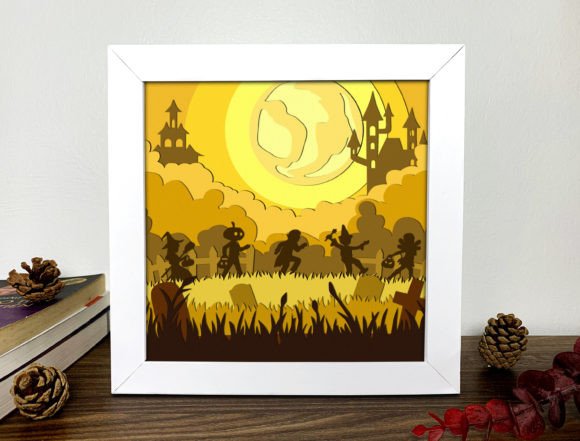
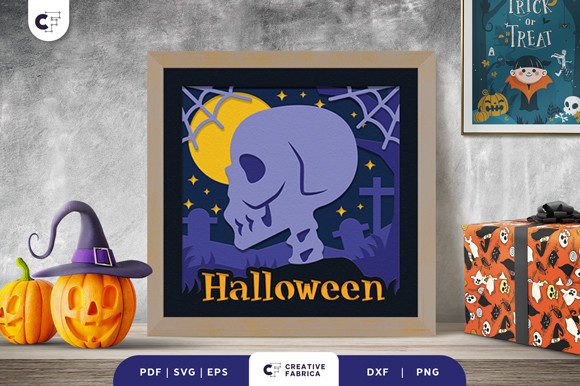
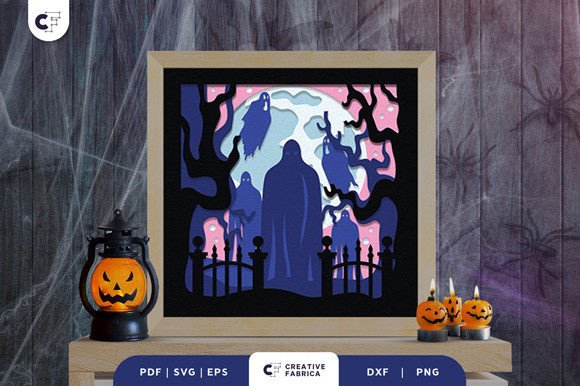
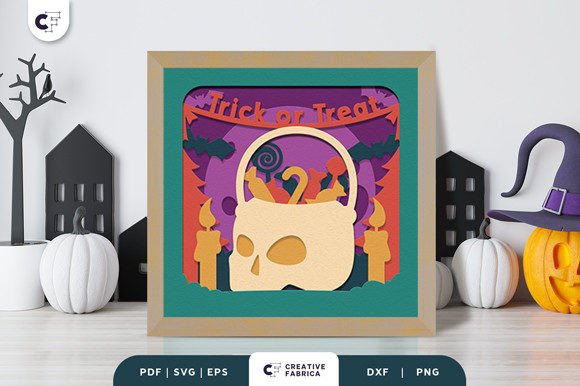
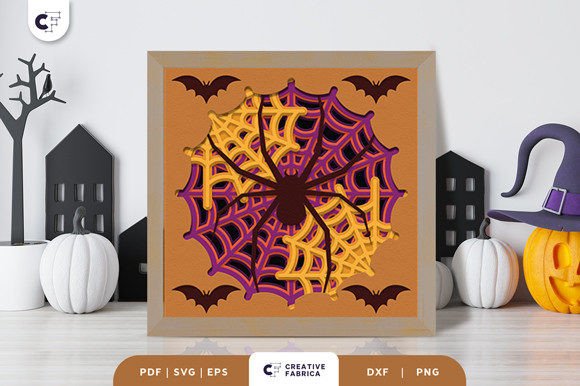
My first impression of the Intricate Spider Web 3D Light Box SVG was one of structural complexity. Unlike flat, two-dimensional clipart that often feels disjointed when placed over photographic backgrounds, this asset possesses a sense of depth and layering. The design mimics the physical properties of a paper-cut light box, where shadows and highlights create a tangible illusion of three-dimensionality. For a designer, this is crucial. It means the asset carries its own lighting logic, which can either harmonize beautifully with a dark, moody background or clash violently if placed incorrectly. The mood it creates is undeniably atmospheric—eerie yet sophisticated, avoiding the cartoonish tropes that often plague seasonal digital products.
Integrating Depth into Brand Identity and Marketing Visuals
When considering how this asset performs in real design situations, versatility is key. I tested the Intricate Spider Web 3D Light Box SVG across several mockups intended for a client’s Etsy product launch. In the context of packaging design, the intricate lines of the web worked exceptionally well as a central focal point on matte black boxes. The contrast between the delicate, layered web structure and the solid background created a premium feel, essential for small business branding that aims to compete with larger retailers.
For social media graphics, particularly Instagram posts and Pinterest pins, the asset served as a powerful hero graphic. When used in a Canva template, the SVG format allowed for easy color manipulation without losing resolution. This is a significant advantage over raster images like standard PNG design files, which can pixelate when scaled. However, designers must be mindful of visual hierarchy. Because the web is so detailed, it demands attention. I found it best suited for large layout areas where it could breathe, rather than crowded compositions where it might compete with text or other illustration elements.
In terms of print-on-demand applications, such as t-shirt design or tote bags, the asset requires careful handling. The fine lines of the 3D effect may not translate well to direct-to-garment printing if the scale is too small. For these applications, I recommend simplifying the layers or using the asset as a sublimation design on all-over-print items where the detail can be fully appreciated. For sticker design, however, it shines. The die-cut potential of the web’s outer edges allows for unique shapes that stand out in a design bundle of standard circular or square stickers.
Strategic Placement and Visual Constraints
Understanding where the Intricate Spider Web 3D Light Box SVG should be used carefully is just as important as knowing where it excels. This is not a background texture. Its high level of detail makes it unsuitable for small sizes, such as favicons or footer icons, where the intricacies would merge into a muddy gray blob. Similarly, it should be avoided in minimalist branding projects that rely on clean, open space and simple geometric forms. The organic, chaotic nature of the spider web contradicts the orderliness required for corporate or highly modernist logo design.
Contrast is another critical factor. Placing this asset on low-contrast backgrounds or busy patterns diminishes its impact. The 3D effect relies on the interplay of light and shadow; if the background color is too similar to the mid-tones of the web, the depth illusion collapses. For web design or editorial design, I suggest using it against deep charcoals, midnight blues, or stark whites to maximize visibility. When pairing with typography, avoid overly decorative script fonts that might clash with the web’s complexity. Instead, opt for clean sans serif fonts or bold display fonts that can anchor the composition and maintain readability.
Practical Designer Notes for Commercial Use
Before integrating any commercial design asset into a client project, rigorous testing is non-negotiable. Here are my practical notes for working with the Intricate Spider Web 3D Light Box SVG:
- Test in Black and White: Remove all color to ensure the structural integrity of the design holds up. If the layers distinguish themselves clearly in grayscale, the design is robust.
- Check Contrast: Preview the asset on both light and dark backgrounds. Note how the "light box" effect changes. On dark backgrounds, the lighter layers pop; on light backgrounds, the darker shadows define the shape.
- Inspect File Formats: Ensure the SVG is clean and editable. Open it in vector software like Adobe Illustrator or Affinity Designer to verify that paths are closed and groups are logical. This facilitates easy customization for different Cricut project needs.
- Preview at Scale: Zoom out to 10% size to simulate how it looks on mobile devices or small product tags. If it becomes illegible, consider using a simplified version for those specific applications.
- Verify Licensing: Always confirm the commercial license terms. For client work, you need assurance that the asset can be used in end-products sold to consumers, not just for internal mockups.
The Intricate Spider Web 3D Light Box SVG is more than just a seasonal decoration; it is a versatile tool for creating immersive creative design experiences. Whether used for product mockups, marketing visuals, or intricate sublimation design, it offers a level of sophistication that elevates standard Halloween themes. By respecting its complexity and leveraging its dimensional qualities, designers can create compelling narratives that resonate with audiences seeking both spookiness and style. For those in the creative marketplace looking to differentiate their printable design offerings, this asset provides a strong foundation for building a cohesive and visually striking seasonal collection.