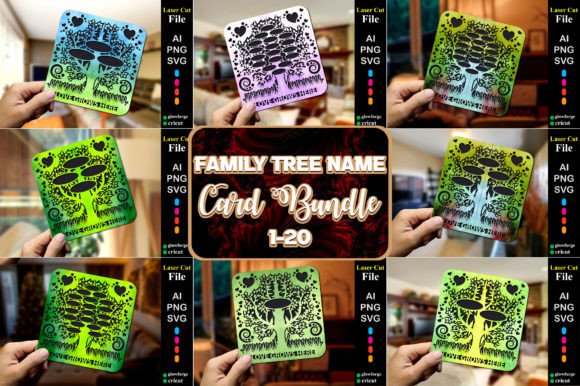
Reviewing Family Tree Name Card Bundle 1-20: A 3D SVG Shapes Asset for Publishers
As a digital publisher who has spent over a decade refining the visual identity of high-traffic blogs and editorial platforms, I have learned that design assets are not merely decorative. They are functional tools that dictate reader engagement, brand perception, and ultimately, conversion rates. When I recently evaluated the Family Tree Name Card Bundle 1-20, I approached it not just as a graphic designer, but as a content strategist looking for elements that could elevate real-world publishing workflows. This review explores how this specific collection of Shapes and 3D SVG elements can transform standard blog graphics into polished, professional editorial pieces.
First Impressions: Visual Mood and Editorial Fit
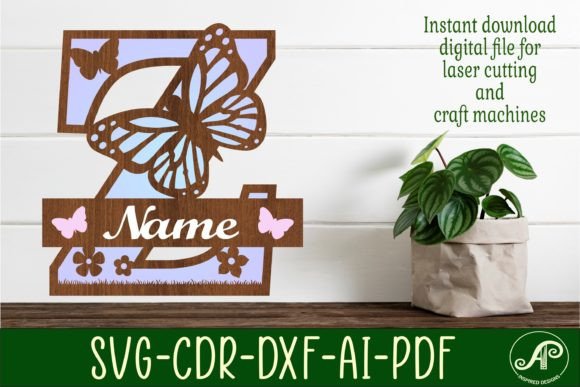
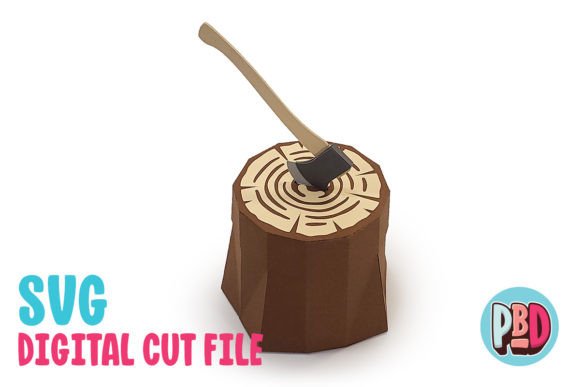
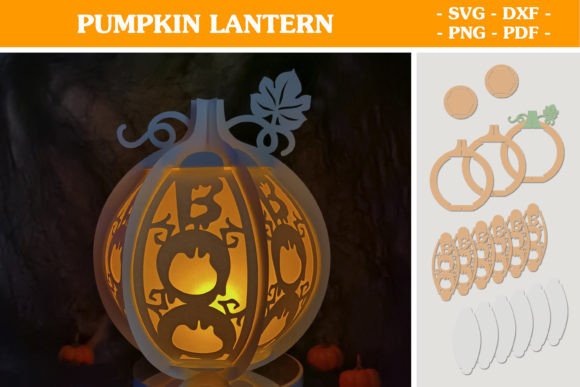
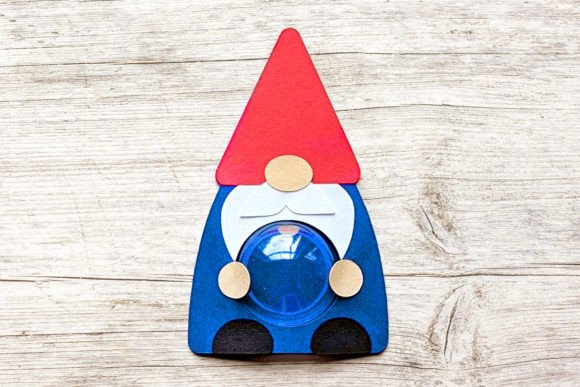
The immediate appeal of the Family Tree Name Card Bundle 1-20 lies in its structural clarity and dimensional depth. In an era where flat design often dominates web interfaces, introducing subtle three-dimensional elements can create a striking visual hierarchy. These assets feel modern yet approachable, striking a balance between playful creativity and professional polish. For publishers operating in niches such as genealogy, family lifestyle, education, or heritage tourism, these shapes provide an instant thematic anchor.
The aesthetic is clean and organized, which is crucial for maintaining reader trust. When a visitor lands on a page featuring chaotic or low-quality imagery, their subconscious assessment of the content’s reliability drops. Conversely, the crisp lines and defined forms of this bundle suggest attention to detail. It supports a visual identity that is both artistic and functional, making it an excellent choice for bloggers who want to move beyond generic stock photography and establish a unique brand presence.
Integrating Assets into Real Publishing Workflows
The true value of any graphic design asset is measured by its versatility across different content formats. During my testing phase, I integrated the Family Tree Name Card Bundle 1-20 into several key areas of a typical content publishing pipeline. Here is how these elements perform in practical scenarios:
- Pinterest Pins: Vertical graphics require strong focal points to stop the scroll. The 3D nature of these SVGs adds depth that stands out against flat backgrounds, significantly improving click-through potential.
- Blog Featured Images: Using these shapes as overlays or background accents in article headers creates a cohesive look across category archives. It helps readers instantly recognize content series.
- Digital Guides and eBooks: For creators selling information products, consistent branding is vital. These cards serve as excellent chapter dividers or decorative elements in downloadable PDFs, enhancing the perceived value of the digital product.
- Newsletter Graphics: Email clients often strip complex styling, but embedding these shapes as optimized images ensures your newsletter maintains its visual integrity. They work particularly well as header accents or button backgrounds.
- Social Media Graphics: Whether for Instagram carousels or Facebook ads, the modular nature of the bundle allows for quick template creation in tools like Canva, streamlining the content marketing process.
Enhancing Content Performance Through Design
Why does the choice of a digital download like this matter for metrics? It comes down to cognitive load and visual guidance. A well-designed page guides the eye naturally from the headline to the call-to-action. The Family Tree Name Card Bundle 1-20 aids in this by providing clear visual containers. When used to frame text or highlight key data points, these shapes improve readability and retention.
Furthermore, consistent use of specific design assets strengthens brand identity. Over time, regular readers begin to associate these specific 3D shapes with your publication. This recognition fosters loyalty and increases the likelihood of repeat visits. For affiliate marketers, this trust is currency; a professional-looking site converts better than one that appears hastily assembled. By incorporating high-quality commercial design elements, you signal to your audience that your recommendations are backed by a serious, credible source.
Strategic Placement: Where to Use and Where to Pause
While versatile, these assets are not a one-size-fits-all solution. Understanding where they shine—and where they might distract—is key to effective editorial design.
Best Use Cases:
- Hero Images and Website Headers: The larger canvas allows the 3D details to be appreciated without cluttering the view.
- Content Upgrades and Lead Magnets: Use them to decorate checklists or worksheets, making freebies feel premium.
- Category Thumbnails: Uniform icons or shapes help users navigate site architecture intuitively.
Use with Caution:
- Small Mobile Thumbnails: Intricate 3D details may lose resolution or become indistinguishable on small screens. Always test legibility.
- Text-Heavy Layouts: Avoid placing these shapes directly behind long paragraphs of text, as this can reduce contrast and harm accessibility.
- Strictly Corporate Niches: If your brand voice is ultra-minimalist or strictly corporate, the playful nature of these shapes might clash with your established tone.
Practical Publisher Notes for Implementation
Before deploying the Family Tree Name Card Bundle 1-20 across your live site, I recommend a rigorous testing protocol. As an experienced web designer, I cannot stress enough the importance of technical optimization alongside aesthetic appeal.
First, verify the file formats. Since this is an Instant Digital Download, you will likely receive SVG vector files. SVGs are ideal for web performance because they are scalable without quality loss and typically have smaller file sizes than PNGs or JPEGs. However, ensure your content management system supports inline SVGs or that you convert them appropriately if needed.
Second, test contrast and readability. Place the shapes beside various typography styles—serif, sans-serif, script, and display fonts. Ensure that the color palette of the shapes complements your brand colors rather than competing with them. If the shapes are colorful, consider using them on neutral backgrounds to maintain a clean web design aesthetic.
Third, check licensing terms. While many marketplaces offer commercial license options for such assets, always confirm that your intended use—whether for monetized blog posts, affiliate pages, or paid digital products—is covered. Protecting your business from legal issues is as important as the design itself.
Finally, consider the user experience on different devices. Preview your designs on desktop, tablet, and mobile. A shape that looks balanced on a wide monitor might overwhelm a smartphone screen. Adjust sizing and positioning accordingly to ensure a seamless experience for all readers.
Final Verdict for Content Creators
The Family Tree Name Card Bundle 1-20 is more than just a collection of clipart; it is a strategic tool for enhancing small business branding and editorial quality. For bloggers, educators, and digital marketers seeking to elevate their visual communication, this asset offers a blend of modern design and functional versatility. By integrating these 3D SVG shapes thoughtfully into your blog graphics and social media graphics, you can create a more engaging, trustworthy, and visually distinct online presence. In the competitive landscape of digital publishing, such attention to visual detail is often the differentiator between a casual browser and a loyal subscriber.