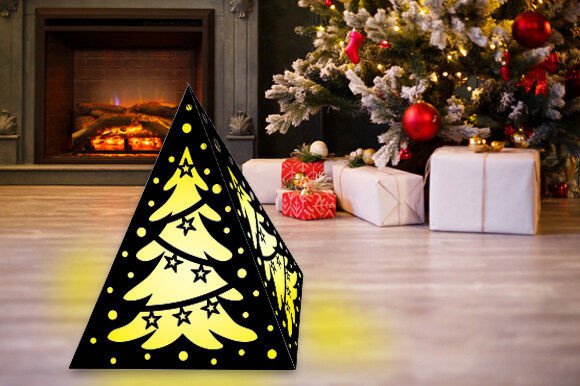
Review: Christmas Paper Cut Pyramid Box Design
As an embroidery designer who has spent years translating digital concepts into thread, I approach every new machine embroidery design with a mix of curiosity and caution. We have all been there: you download a file that looks stunning on the screen, only to find it turns into a puckered mess or a tangled bird’s nest once it hits the fabric. Today, I am taking a close look at the Christmas Paper Cut Pyramid Box. While the product description markets this primarily as a paper craft asset for lanterns and light boxes, my interest lies in how its structural geometry translates to textile applications. Can this intricate, layered aesthetic work for embroidery projects? Let’s dive into the practical realities of using this design in a real-world craft business context.
First Impressions: Geometry Meets Holiday Warmth
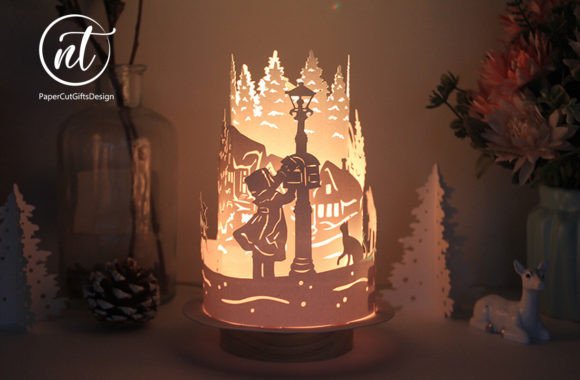
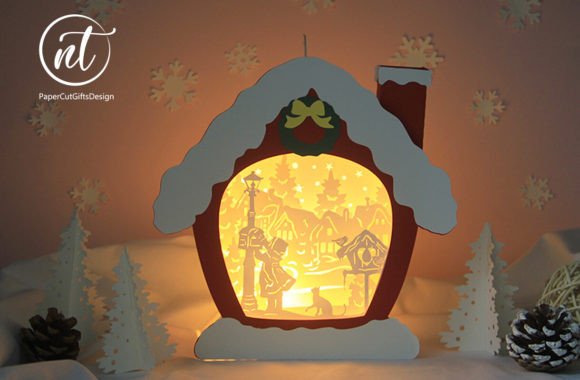
The first thing that strikes me about the Christmas Paper Cut Pyramid Box is its architectural precision. The design relies heavily on clean lines and repetitive geometric patterns that mimic the popular paper-cut silhouette style. For an embroiderer, this presents both an opportunity and a challenge. The mood is undeniably festive but restrained; it avoids the cluttered, overly busy tropes often seen in holiday embroidery. Instead, it offers a modern, minimalist elegance that appeals to contemporary buyers.
Visually, the pyramid structure suggests depth. In paper crafting, this is achieved through physical layering. In embroidery, we must achieve this illusion through stitch types and color placement. The design’s layout is symmetrical, which is generally favorable for machine stitching as it balances tension evenly across the hoop. However, the sharp angles and fine details require a keen eye for stitch density. If the digital file is not optimized for fabric, those crisp paper-cut edges could easily become jagged or lost in satin stitches that are too wide.
Real-World Application: From Digital File to Finished Product
To test the viability of this design, I imagined a specific client scenario. A boutique owner approached me for a line of premium custom apparel for the holiday season. She wanted something unique for heavy-weight cotton tote bags and structured canvas aprons. The Christmas Paper Cut Pyramid Box seemed like a strong candidate for a central chest placement or a large back panel.
When adapting a design originally intended for paper cutting to an embroidery file, the translation process is critical. The SVG and EPS files provided in the ZIP archive are vector-based, which is excellent for scaling. However, vector perfection does not always equal stitch perfection. For a tote bag design, I would likely need to simplify some of the innermost details. Tiny, isolated elements that hold up well in cardstock can pull out or break when stitched into woven cotton. I envision using a combination of fill stitch for the larger geometric planes and running stitch for the delicate outlines to maintain that "cut paper" look without adding excessive bulk.
For sweatshirt embroidery, the texture of the fleece adds another layer of complexity. The pyramid’s sharp points might get lost in the nap of the fabric. In this case, I would recommend a higher contrast in thread colors—perhaps a bright white or metallic gold on a deep navy or forest green—to ensure the design pops. This approach transforms the item from a simple garment into a standout personalized gift that feels luxurious and thoughtful.
Navigating Technical Challenges and Fabric Constraints
While the aesthetic is appealing, we must address where the Christmas Paper Cut Pyramid Box requires careful handling. Not every surface is suitable for this level of detail. For instance, using this on stretchy fabrics like jersey knits for baby clothes is risky. Without proper stabilization, the geometric integrity will warp as soon as the garment is worn or washed. If you are attempting baby embroidery, I strongly advise using a cut-away stabilizer and testing on scrap fabric first. The sharp corners of the pyramid design are prone to pulling on loose-knit materials.
Similarly, curved surfaces like caps present a hurdle. The flat, planar nature of the pyramid design does not naturally conform to the curve of a baseball cap. Attempting to stitch this directly onto a cap could result in distortion at the edges. It would be far more effective to create an embroidered patch separately and then appliqué it onto the cap. This method preserves the crispness of the lines and allows for better quality control. Always check your hoop size capabilities; if the design is large, you may need to split it or use a multi-position hoop, which introduces alignment risks that must be managed meticulously.
Another consideration is fabric texture. On textured linens or rough canvases, the fine details of the paper-cut style might blend into the background. In these cases, increasing the stitch count slightly or opting for a bolder satin stitch border can help define the shape. Conversely, on smooth sateen or silk, the design will shine, but you must be wary of puckering due to high stitch density. Balancing the underlay stitches is crucial here to support the top threads without distorting the delicate fabric.
Commercial Value and Brand Consistency
For Etsy sellers and small shop owners, the visual appeal of a design directly impacts perceived value. The Christmas Paper Cut Pyramid Box exudes a sense of craftsmanship. When executed well, it elevates a handmade product from a simple commodity to a boutique-quality item. Customers are drawn to clarity and precision; a messy stitch-out undermines trust, while a crisp, clean design reinforces brand professionalism.
Using this design in commercial embroidery projects requires due diligence. Since the product includes SVG, EPS, PDF, and DFX files, it is versatile for various digital uses, such as creating printable mockup assets for your online store. However, before selling finished items, you must confirm the licensing terms. Just because you have the digital embroidery file does not automatically grant commercial rights for physical goods. Always verify whether the creator allows for unlimited sales or if there are restrictions. This step is vital for maintaining ethical business practices and avoiding legal issues down the line.
Practical Designer Notes for Success
Before you commit to a full production run, follow these practical steps to ensure the best results with the Christmas Paper Cut Pyramid Box:
- Test on Scrap Fabric: Never skip this step. Stitch the design on the exact fabric and stabilizer combination you plan to use for the final product.
- Check Thread Contrast: Use high-contrast thread colors to highlight the geometric layers. Test in black and white mockups first to see if the design holds its shape without color reliance.
- Review Stitch Density: If converting from vector to stitch format yourself, ensure the density is appropriate for the fabric weight. Too dense, and it becomes stiff; too sparse, and the fabric shows through.
- Inspect Small Details: Zoom in on the sharpest corners of the pyramid. Ensure they are anchored properly to prevent unraveling after washing.
- Confirm Licensing: Clarify if the license covers physical sales, digital redistribution, or both. This is crucial for craft business sustainability.
In conclusion, the Christmas Paper Cut Pyramid Box is a compelling design asset that bridges the gap between traditional paper crafts and modern textile art. With careful attention to technical details and fabric selection, it can become a standout element in your holiday embroidery collection. Whether you are creating a cozy pillow cover, a chic apron, or a unique small shop product, this design offers the structural beauty needed to captivate customers. Just remember: the magic lies not just in the file, but in the thoughtful execution of the stitch.