Reviewing the Christmas House Little Girl Design
As a designer who spends more time staring at stitch simulations than I do sleeping, I have learned that not every cute graphic translates well to thread. We have all been there: you see a charming illustration, imagine it on a holiday sweatshirt, and only after hooping the fabric do you realize the details are too fine or the density is off. That is why I approach new assets with a critical eye. Recently, I took a close look at the Christmas House Little Girl design to see if it holds up under the needle. This isn't just about aesthetics; it is about whether this asset can carry the weight of a professional embroidery project for a paying client.
The Visual Narrative and First Impressions
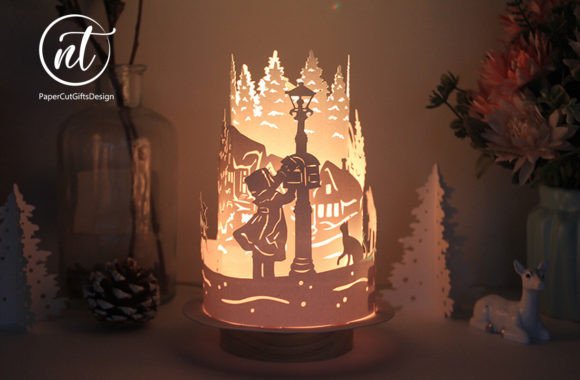
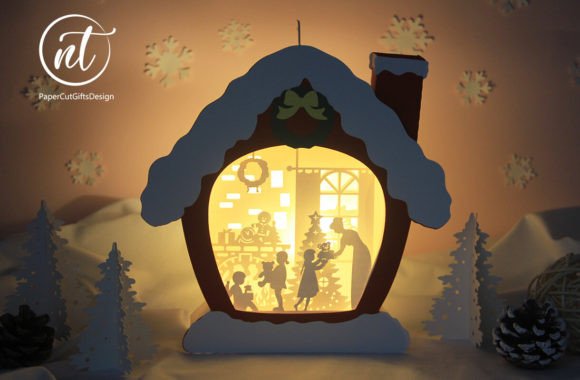
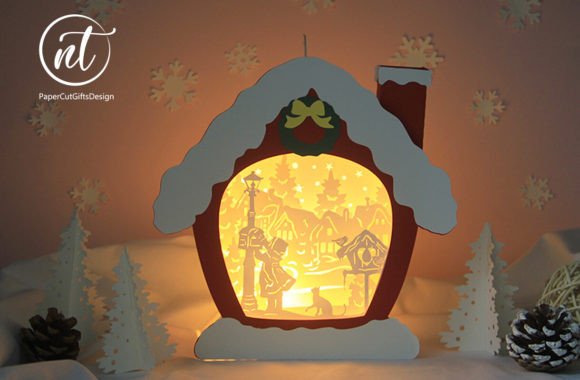
The concept behind the Christmas House Little Girl is undeniably sweet. It captures a quiet, nostalgic moment—a child sending a letter to Santa Claus. For me, the immediate appeal is the storytelling aspect. In the world of holiday embroidery, we often see generic snowflakes or bold text. This design offers a scene. It feels personal. When I first opened the file, I was looking for clarity. Does the silhouette read well from a distance? Does the composition balance negative space with stitched areas?
The mood is gentle and whimsical. It fits perfectly into the current trend of cozy, storybook-style decor. However, my initial concern was the complexity. The description mentions it is created by gluing layers of paper together, which suggests a 3D aesthetic. In digital terms, this often translates to a 3D SVG structure. For an embroiderer, this means we need to be careful about how we interpret those layers. Are they meant to be separate color blocks? Do they require specific thread colors to create depth? The visual personality is strong, but it demands respect in execution.
Real-World Application: The Tote Bag Test
To truly evaluate a design, you have to imagine it on a product. I pictured this design on a natural canvas tote bag design. This is a popular item for Etsy sellers and boutique shops during the winter season. Imagine a customer picking up a sturdy, cream-colored tote with this little girl stitched in soft pastels and warm reds. It works. The scale feels right for a central chest placement or a large pocket detail.
I also considered it for sweatshirt embroidery. A heather grey crewneck with this design on the left chest would make an excellent personalized gift. The key here is the emotional connection. People buy embroidered items because they feel handmade and special. The Christmas House Little Girl evokes that feeling of childhood wonder. If I were running a craft business, I would market this as part of a "Letters to Santa" collection, perhaps paired with a matching pillow cover or apron.
Navigating Fabric and Stitch Challenges
While the concept is strong, the technical execution requires caution. Any design with intricate details, like a face or small hands holding a letter, poses risks. If you are stitching on a textured fabric like a waffle-knit thermal or a fuzzy fleece, those tiny details might get lost. I always recommend testing the design on scrap fabric first. Check your stitch density. If the design relies heavily on fill stitch areas, it might pull on lightweight fabrics. Conversely, if it uses too much running stitch for outlines, it might look sparse on plush towels.
For baby embroidery projects, such as onesies or bibs, you must ensure the backing is soft and the stitches are not too dense. Babies have sensitive skin, and heavy stitching can feel scratchy. I would advise using a soft cut-away stabilizer and possibly reducing the density if your machine allows. Also, consider the hoop size. If you are working with a 4x4 hoop, you might need to resize the design, which could compromise the legibility of the letter or the facial features. Always check the smallest details after resizing.
Commercial Viability for Small Shops
For small shop product lines, consistency is key. The Christmas House Little Girl has a distinct style that can help build brand recognition. If you are an apparel decorator or a digital product seller, this asset can be a cornerstone of your holiday catalog. It appeals to parents, grandparents, and anyone looking for a non-commercial, heartfelt gift.
However, before listing it as a commercial embroidery asset, you must verify the license. Just because a file is available does not mean it is free for resale. Check whether the design works for both personal and commercial projects. Confirm licensing before selling finished items or digital products. This step is crucial for maintaining professionalism and avoiding legal issues down the line. A clear license builds trust with your customers and protects your craft business.
Technical Notes for the Embroiderer
Here are my practical notes for anyone planning to use this design:
- Test on Scrap: Never stitch directly on your final garment. Use a similar fabric weight and texture to test tension and registration.
- Color Contrast: Review thread colors carefully. Ensure the girl’s outline contrasts enough with the background fabric. On dark fabric, you may need a satin stitch border to make the design pop.
- Stabilizer Choice: Use the right stabilizer for your fabric. Knits need cut-away; wovens can often use tear-away. Poor stabilization leads to puckering.
- Check Details: Zoom in on the letter and the girl’s face. If the details are too small for your needle size, consider simplifying or enlarging the design.
- Mockups: Test the design in black and white mockups to check for value contrast. If it looks muddy in grayscale, it will look messy in thread.
Final Verdict on the Design Asset
The Christmas House Little Girl is a charming addition to any holiday collection. It succeeds in creating an emotional connection, which is the ultimate goal of handmade product design. It fits naturally into categories like custom apparel, nursery decor, and seasonal gifts. However, its success depends entirely on the skill of the embroiderer and the quality of the setup.
Do not assume the file is perfect out of the box. Treat it as a raw material that needs your expertise. Adjust the stitch density, choose high-quality threads, and select fabrics that complement the design’s gentle nature. If you take these steps, this design can elevate your finished product from a simple item to a cherished keepsake. For creative entrepreneurs and hobbyists alike, it offers a solid foundation for creating memorable holiday merchandise. Just remember to check the specific file formats and machine compatibility, as these details were not explicitly provided in the initial description. Always do your due diligence to ensure a smooth stitching experience.